
The Magic of Myofascial Release for Postpartum Pelvic Floor Recovery
If you’ve been stretching, strengthening, doing pelvic floor exercises—or maybe you’ve even worked with a physical therapist—but you still feel tight, leak, notice pelvic pressure, or deal with lingering back pain, there may be an important piece of recovery that hasn’t been addressed yet.
One of the biggest misconceptions I see in postpartum care is the idea that a body recovering from pregnancy and birth simply needs to get stronger.
But strength layered on top of tension, restriction, and compensation rarely creates lasting function.
Your body was never designed to live in a constant state of gripping. Yet after pregnancy and birth, your fascia, muscles, and nervous system can develop protective patterns that limit how freely your core expands, recoils, and manages pressure.
When that happens, the effects ripple through the entire system. Your diaphragm loses mobility. Your rib cage becomes more restricted. Your hips and glutes contribute less efficiently. And your pelvic floor is often left working overtime to create support that should be shared by the whole core.
That’s why more strengthening isn’t always the answer. Before your body can become stronger, she first needs space to move again.
This is where myofascial release can become such a powerful part of postpartum healing.
By helping restore tissue mobility, soften chronic holding patterns, and improve the way pressure is distributed through your core, myofascial release creates the conditions your diaphragm, abdominal wall, fascia, and pelvic floor need to coordinate reflexively again.
Because true recovery isn’t about forcing your body to work harder. It’s about restoring the freedom, support, and connection that allow her to function the way she was beautifully designed to.
What Is Myofascial Release?
Myofascial release is a restorative and therapeutic technique that uses gentle, sustained pressure to restore mobility within your fascia—the connective tissue network that surrounds, supports, and connects every muscle, organ, nerve, and joint in your body.
Healthy fascia is meant to glide, adapt, and respond to movement. It helps your body move efficiently, distribute pressure, and maintain support without unnecessary tension.
But pregnancy, birth, C-sections, stress, sleepless nights, and the repetitive demands of early motherhood can all change the way this tissue moves. Fascia can become restricted, guarded, and less responsive, creating patterns that your body begins to work around.
Myofascial release helps restore glide between tissues, improve circulation, reduce chronic tension, and give your body more freedom to move and coordinate again.
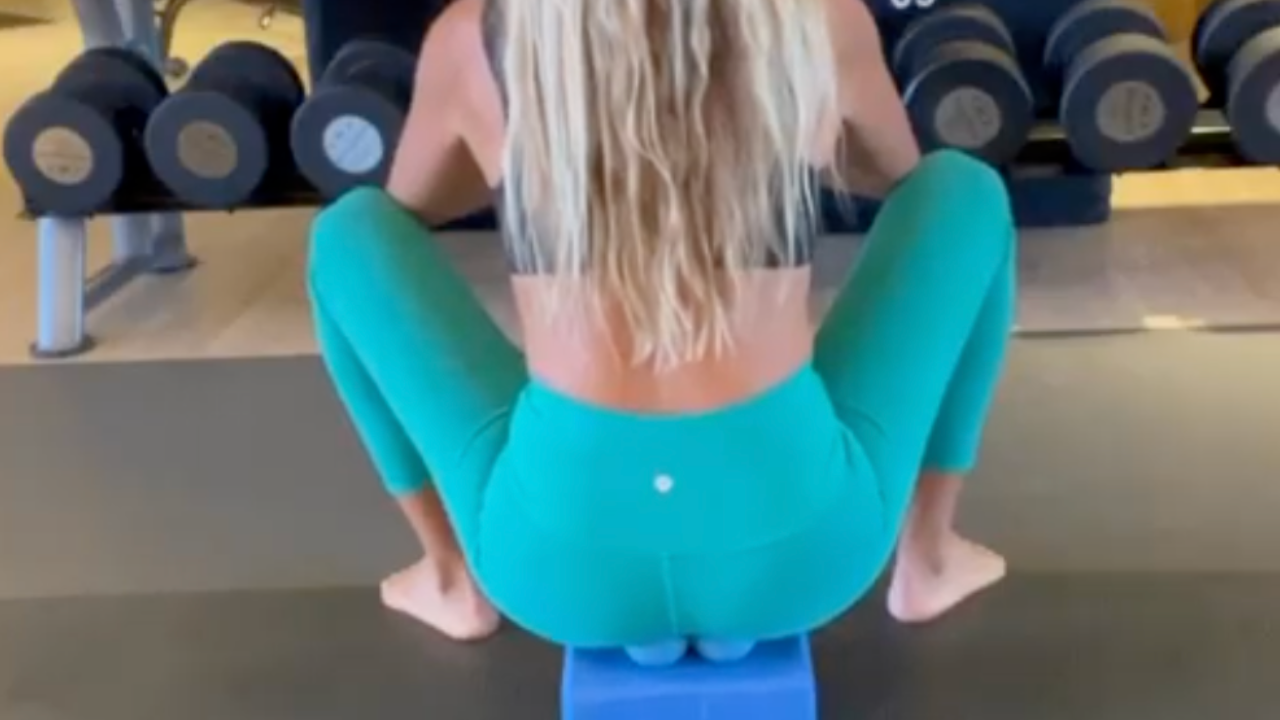
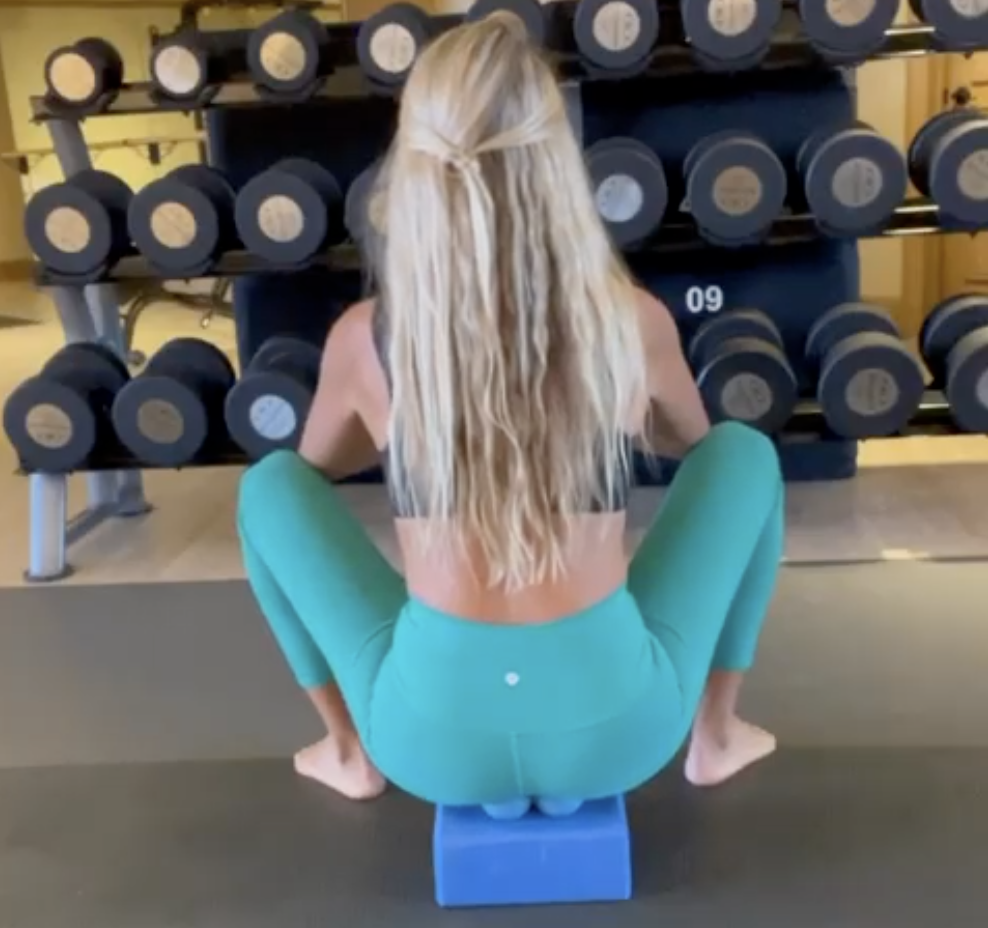
And while you may think of foam rolling or massage balls, myofascial release can also include hands-on treatment from a physical therapist or targeted self-release techniques using specialized tools.
The goal isn’t to force your tissues to change.
It’s to create enough space and mobility for your body to stop protecting—and start moving more freely again.
How Myofascial Release Restores Pelvic Floor Tissue Mobility
One of the biggest misconceptions I see is women assuming their pelvic floor is the problem.
More often, the pelvic floor is responding to what’s happening throughout the rest of the system.
Your core was designed to function as one beautifully connected unit. Your diaphragm, abdominal wall, fascia, rib cage, spine, hips, glutes, and pelvic floor all work together to create support and manage pressure every time you breathe, lift your baby, cough, laugh, or move through your day.
When those tissues move well, the workload is shared. No one area has to grip, brace, or compensate for the rest.
But pregnancy changes that system. Your abdominal wall lengthens to make room for your growing baby. Your organs shift. Your rib cage changes. Your diaphragm adapts. Your fascia is asked to accommodate months of extraordinary change.
Your body adapts brilliantly to support both you and your baby through pregnancy. After birth, however, some of those adaptations can remain in place while your body continues meeting the physical demands of motherhood.
Pregnancy asks your body to adapt. Postpartum recovery gives your body the opportunity to restore.
But when those adaptations become your new baseline, they can turn into compensation patterns. Instead of returning to more efficient movement and pressure management, your body keeps relying on the same strategies it used to get you through pregnancy.
Over time, your diaphragm may move less freely, your rib cage can become more restricted, your hips and glutes may contribute less, and your pelvic floor can end up carrying far more load than it was designed to manage alone.
This is why myofascial release is about so much more than simply loosening a “tight muscle.”
By restoring mobility through the fascial system, you give your entire core more freedom to move, breathe, and distribute pressure efficiently. As the tissues begin gliding and responding again, your body can rely less on compensation and more on coordinated, reflexive support.
That’s often when women begin noticing changes in symptoms like bladder leaks, pelvic pressure, back pain, painful intercourse, constipation, and difficulty returning to exercise… when they have a regular myofascial release practice.
The goal isn’t to chase each symptom one at a time. It’s to restore the system underneath them.
Why I Recommend Pelvic Floor Myofascial Release Before Strengthening
Most postpartum advice jumps straight to strengthening your core or doing more Kegels. But lasting strength is difficult to build on top of a body that is still gripping, guarding, and holding tension.
Imagine trying to strengthen your arm while keeping your fist clenched all day. Eventually, those muscles become fatigued, overworked, and less efficient—not truly stronger.
Your pelvic floor is no different.
Inside The Core Recovery Method®, we don’t begin by asking your body to work harder. We begin by restoring the systems pregnancy and birth asked her to adapt.
Myofascial release is one of the first ways we create that foundation. By restoring tissue mobility and reducing unnecessary tension, we give your core more freedom to move, respond, and coordinate efficiently.
From there, everything follows an intentional sequence:
Breath → Core Myofascial Reflex → Pressure Management → Organ Position → Optimal Function
Each step prepares your body for the next.
We begin by restoring healthy breathing mechanics because breath is the input that initiates your entire core system. Through breathwork, we reconnect your Core Myofascial Reflex, allowing your diaphragm, abdominal wall, fascia, and pelvic floor to begin responding together automatically again.
As that reflexive coordination returns, pressure is managed more efficiently. Your organs receive better support. Your pelvic floor no longer has to compensate for the rest of the system. And your core begins functioning as the integrated, intelligent unit she was designed to be.
Then we layer in progressive strength.
This isn’t about avoiding strengthening. It’s about earning it. Giving your body the right input, in the right sequence, so the strength you build is functional, reflexive, and built to last.
The Best Myofascial Release Tools for Pelvic Floor Recovery
One of the questions I get most often is, "What should I use for myofascial release?"
The answer depends on your symptoms and where your body is holding tension.
For many women, I recommend starting with simple self-myofascial release tools that help improve mobility through the hips, glutes, rib cage, spine, and surrounding tissues that influence how the pelvic floor functions.
Some of my favorite tools include mobility balls, a peanut ball, and other gentle release tools that help restore healthy movement and improve pressure management throughout the core.
Rather than trying to release the pelvic floor directly, I often encourage women to begin by restoring mobility throughout the entire system. When your hips, rib cage, diaphragm, and fascia move better, your pelvic floor often doesn't have to work nearly as hard.
I've put together a complete guide that walks through my favorite myofascial release tools, who they're best for, and exactly how I use them for postpartum recovery. If you're wondering where to start, you can read that guide here: 5 Best Myofascial Release Tools for Pelvic Floor and Core Recovery at Home
Make Myofascial Release Part of Your Weekly Routine
I think of myofascial release as a weekly reset for your body. It’s not something you do once and never have to think about again.
Motherhood places incredible demands on our bodies every single day. We hold our babies all day. We carry flailing toddlers. We nurse. We sit on the floor to play. We spend hours sitting or in the car. We juggle work, family, and everything in between.
Over time, all of those things create tension throughout the body, especially the pelvic floor.
Just like we brush our teeth or move our bodies to stay healthy, myofascial release is a simple way to care for your connective tissue before tension builds into pain, stiffness, or dysfunction.
Just 10 to 15 minutes a few times each week can help restore tissue mobility, improve the way your body manages pressure, and prepare your core to move more efficiently.
I especially love incorporating myofascial release before breathing exercises, mobility work, or strength training. When you restore movement first, everything that follows becomes more effective.
Healing Starts with Restoring the Foundation
The body heals best when tissues can glide, pressure can be managed efficiently, and the nervous system no longer feels the need to brace for protection.
After pregnancy and birth, myofascial release can help create those conditions. It’s one of the first steps toward restoring the foundation your core and pelvic floor need to function the way they were designed.
Inside The Core Recovery Method®, I teach women exactly how to combine myofascial release with breathing, pressure management, organ support, and progressive strengthening—in the right sequence—so healing isn’t left to guesswork.
Your body has been adapting for you through pregnancy, birth, and motherhood. She has compensated, protected, and carried you through enormous change.
Now, recovery becomes less about asking her to do more—and more about giving her the conditions to let go of what she no longer needs.
Because when tension releases, movement returns. When movement returns, pressure can change. And when pressure changes, your core can begin supporting you reflexively again.
That’s the real magic of myofascial release.
Not simply releasing tight tissue - but helping restore the system underneath your symptoms - so you can feel strong, supported, and at home in your body again.

