
More Strength Isn’t Always the Answer for a Postpartum Core
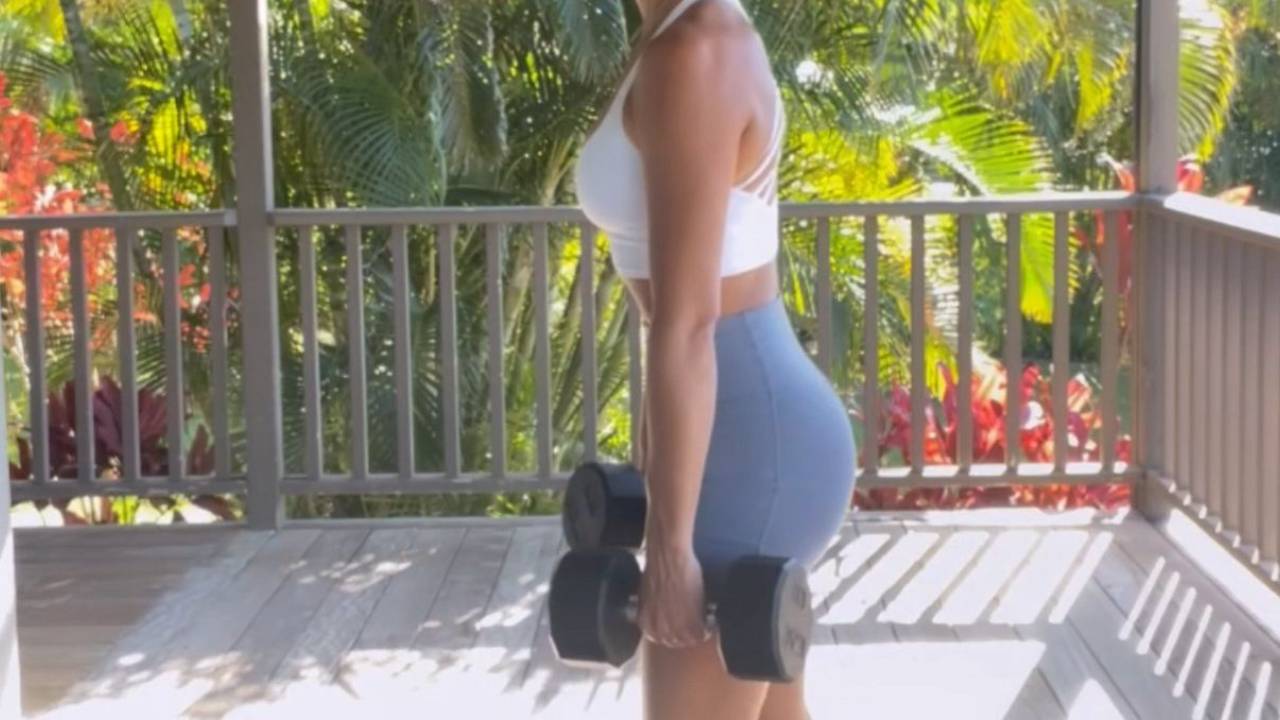
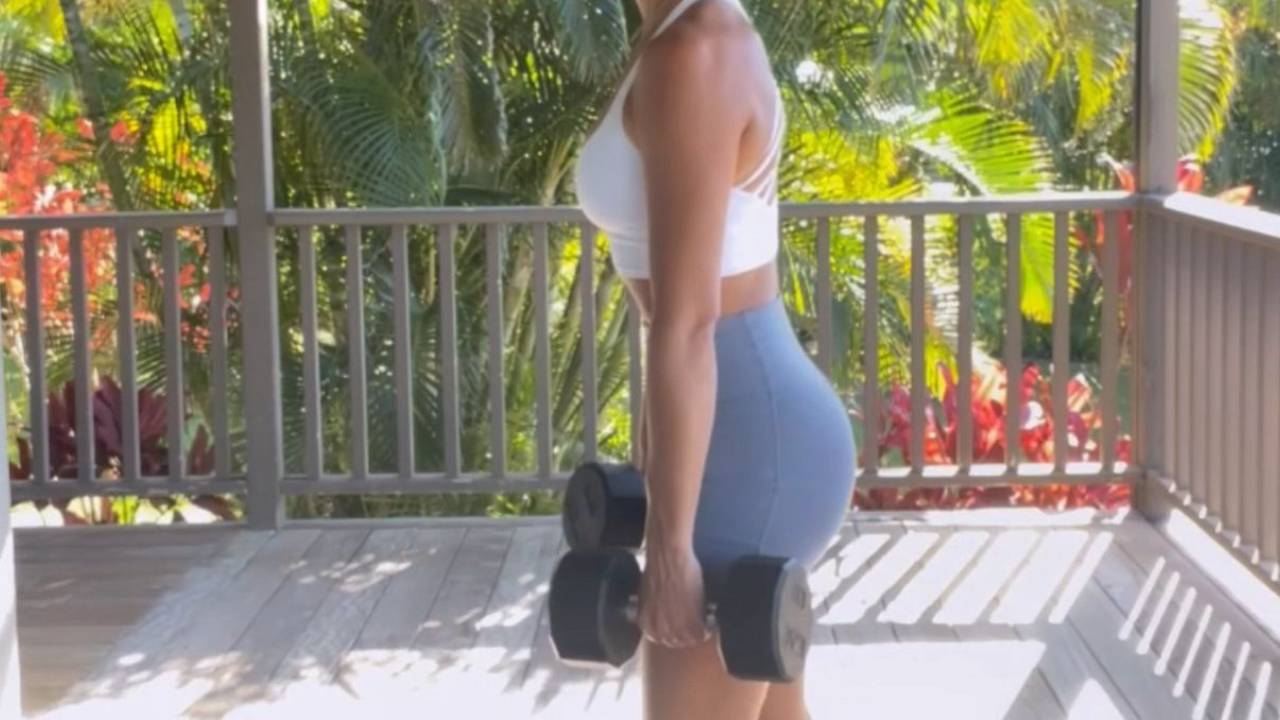
The fitness world's whole pitch to postpartum women is force. More crunches, more planks, more Kegels, snap back into shape.
But I think we first have to challenge the assumption that more effort always creates more function.
It doesn’t.
If a postpartum core is already managing the pressures of daily life poorly, asking it to produce more force and manage greater pressure does not necessarily correct the problem. It simply gives the body more force to mismanage. That distinction is everything.
A crunch creates pressure. A plank creates pressure. Lifting creates pressure. Running creates pressure. Even coughing, laughing, sneezing, talking and getting out of bed create pressure.
None of those things are inherently bad. Pressure is not the enemy. A healthy body is beautifully designed to create, absorb, redistribute, and respond to pressure all day long.
The question is: Where does that pressure go?
If the diaphragm, abdominal wall, fascia, and pelvic floor are coordinating reflexively, increased pressure becomes something the body can use. The core myofascial reflex responds, the organs are supported, circulation increases, force is distributed through the system, and movement becomes strengthening.
But if that reflexive system has been disrupted by pregnancy, birth, surgery, posture, injury, or years of compensation, adding more load can simply magnify the dysfunctional strategy the body is already using.
Instead of pressure being absorbed and redistributed through the core myofascia, you may see the abdomen push forward. A diastasis may dome. Pressure travels downward toward the pelvic organs and pelvic floor. The pelvic floor grips harder in an attempt to contain it. The back, hips, and neck begin compensating.
And then we often look at the symptom created by that dysfunctional strategy and say: You need to get stronger. So she works harder. She braces harder. She squeezes harder. And the harder she tries to control her body, the further away she gets from the automatic function we're actually trying to restore.
That is why I don't believe the answer is: “Exercise more, keep pushing through life, and this collection of strengthening exercises will help you look like you did before pregnancy.”
No, it's quite the opposite. The answer is: “Back off on the activities and exercises that cause symptoms while you restore the system that allows your body to properly manage the forces those activities create.”
Strength layered onto dysfunction is still dysfunction.
We don't need to abandon strength. We need a body capable of properly organizing it. That is a very different rehabilitation philosophy.
And I think there's something culturally important here, too. Women are given this extraordinary message after birth: “Your body changed, so now your job is to discipline it back into submission. Flatten the belly. Close the gap. Tighten the pelvic floor. Lose the weight. Get your body back.”
Even the language is adversarial. It positions the postpartum body as something that has gone wrong—something unruly that needs to be controlled. But when I look at a postpartum body, I see almost the opposite. I see a body that adapted brilliantly.
The abdominal wall lengthened because it needed to create space for a growing human. The rib cage changed to manage the increased pressure. The diaphragm got stronger. The pelvis opened. The fascia stretched. The organs moved. The center of gravity shifted. The nervous system found new strategies to keep this woman upright, breathing, moving, and carrying an increasingly heavy baby.
Those adaptations weren't failures. They were solutions.
The problem is that after birth, we expect those adaptations to simply reverse themselves. But the body isn't returning to the life it had before pregnancy. She’s transitioning from the demands of growing and carrying a baby to an entirely new set of demands: motherhood.
Postpartum recovery isn't about “reversing what pregnancy did” or “getting back to who you were before.”
You’re a mother now. You can't go back—and I don't think that's the goal. Pregnancy transformed your body for the work of carrying life. Postpartum recovery is about helping her reorganize, just as brilliantly, for the work of motherhood. Postpartum isn’t a reversal, it’s a re-organization.
So let’s stop approaching postpartum rehabilitation by asking, How do we force this body back into what it was?
Instead let’s ask: What did this body have to do to beautifully accommodate pregnancy and birth—and what input does she need now to reorganize around the demands of motherhood?
That shift changes everything. Now we're no longer fighting the belly because it pushes forward. We're asking why pressure is going there. We're not angry at a pelvic floor because it's tight. We're asking what it may be gripping against.
We're not simply closing a diastasis. We're restoring the environment that allows the abdominal wall to generate tension and recoil appropriately.
We're not commanding the body to “activate.” We're giving it the conditions in which the healthy response becomes automatic again.
And breath is one of the most powerful ways we do that. As I mentioned earlier, you take roughly 20,000 breaths every day. Every one of those breaths changes pressure within the core.
So rather than asking a woman to consciously correct herself for twenty minutes and then return to the same patterns for the other 23 hours and 40 minutes, I want to change the input she's receiving all day long.
When breathing mechanics improve, the diaphragm can move more effectively. The rib cage can expand and recoil. The abdominal wall and pelvic floor have an opportunity to respond reflexively. The Core Myofascial Reflex begins doing the work we were previously trying to accomplish through conscious bracing.
And something really beautiful happens: The woman has to think about her core LESS, not more.
That's ultimately the goal of my work inside The Core Recovery Method®.
I don't want a woman walking around for the rest of her life thinking, “Engage my core. Pull my belly in. Squeeze my pelvic floor. Brace before I lift my child.” That isn't freedom.
I want her core to support her when she isn't thinking about it. I want it responding while she walks through the grocery store, carries a sleeping toddler upstairs, laughs with her friends, lifts weights, runs, has sex, sleeps, breathes, and lives.
When the underlying system is restored, life itself begins to become strengthening input. That is how the body was designed.
So when a woman stops trying to discipline her body and begins working with it, I think the biggest shift is not simply physical. She moves from trying to control and force her body, into trusting and understanding her body again. She stops interpreting every symptom as evidence that her body has failed her, and starts recognizing symptoms as information.
Her body isn't being difficult. It's communicating. And once you understand the language your body is speaking, you can give her a different input and allow her to produce a different response.
That's the philosophy behind my sequence:
Breathing Mechanics → Core Myofascial Reflex → Pressure Management → Pelvic Organ Support → Optimal Function.
The goal is to restore a body so intelligently organized that strength becomes an expression of function, rather than a substitute for it.
And to me, that is a much more powerful definition of postpartum rehab. It’s not about “getting your body back.” You don't get your old body back. You get to learn how to fully inhabit the transformed body that carried you through the sacred passage of pregnancy, birth and into motherhood.

